Salesforce Einstein for Sales Smarter Lead Prioritization with AI

Salesforce Einstein for Sales: Smarter Lead Prioritization with AI

Introduction

In today’s competitive business world, sales teams can’t afford to waste time on unqualified leads. Traditional lead scoring methods often rely on manual inputs, which can be time-consuming and inaccurate. That’s where Salesforce Einstein for Sales comes in. 

By leveraging artificial intelligence (AI), Salesforce Einstein helps businesses prioritize leads more intelligently. With predictive analytics, machine learning, and automation, sales teams can focus on the right prospects at the right time, increasing efficiency and conversions.

Why Lead Prioritization Matters

Lead prioritization is the backbone of an effective sales strategy. Without it, sales reps often:

  • Spend too much time on low-quality leads 
  • Miss opportunities with high-intent prospects 
  • Struggle to forecast sales accurately

Salesforce Einstein for Sales solves this problem by using AI-driven insights to automatically rank and score leads, ensuring teams spend energy where it matters most.

How Salesforce Einstein Helps Prioritize Leads Smarter

1. Predictive Lead Scoring

Einstein analyzes historical sales data, customer interactions, and buying behavior to assign a predictive score to each lead. This helps reps identify high-value prospects who are most likely to convert.

2. AI-Powered Recommendations

Einstein provides next-best-action recommendations based on lead behavior, communication patterns, and deal stage. This ensures your sales reps know when and how to engage with prospects. 

3. Real-Time Data Insights 

Unlike traditional scoring models, Einstein works with real-time data from Salesforce CRM. It adapts continuously, adjusting lead scores based on the latest interactions, making your prioritization smarter over time.

4. Sales Productivity Boost 

By removing guesswork, Einstein helps sales reps spend less time qualifying leads and more time closing deals. Automation of repetitive tasks ensures reps focus on building stronger relationships. 

5. Integration with Sales Cloud

Einstein integrates seamlessly with Salesforce Sales Cloud, making it easy for sales teams to manage leads, opportunities, and forecasting in one unified platform.

Benefits of Using Salesforce Einstein for Sales

  • Higher conversion rates with AI-backed prioritization 
  • Improved forecasting accuracy using predictive analytics 
  • Faster response times through real-time lead scoring 
  • Smarter sales strategies guided by AI-driven insights 
  • Enhanced productivity with automation of repetitive tasks

Real-World Example

A SaaS company with thousands of incoming leads each month struggled to identify which prospects were worth pursuing. After implementing Salesforce Einstein for Sales:

  • Leads with high predictive scores converted 30% faster 
  • Sales reps increased productivity by 25% 
  • The sales pipeline became more predictable and efficient

This demonstrates how AI can revolutionize sales processes

Conclusion

In the digital era, sales teams need more than just intuition — they need AI-driven insights to succeed. Salesforce Einstein for Sales empowers businesses with smarter lead prioritization, predictive analytics, and real-time recommendations. 

By leveraging Einstein, your sales team can focus on the leads that truly matter, boost productivity, and close deals faster.

Use Web to Lead for Instant Lead Capture

How to Use Web-to-Lead in Salesforce for Instant Lead Capture

Introduction

In today’s fast-paced digital landscape, businesses can’t afford to let potential customers slip away. One of the most effective ways to capture and manage leads instantly is through Salesforce Web-to-Lead. This powerful feature allows you to create web forms that feed directly into your Salesforce CRM, ensuring every inquiry is tracked, nurtured, and followed up with promptly. 

If you want to streamline lead capture and accelerate conversions, learning how to use Web-to-Lead in Salesforce is a game-changer.

What Is Web-to-Lead in Salesforce?

Web-to-Lead is a standard Salesforce feature that helps you:

  • Create custom lead capture forms for your website 
  • Automatically push data into Salesforce CRM 
  • Assign leads to the right sales reps instantly 
  • Trigger automated workflows such as email alerts or tasks

By integrating Web-to-Lead, businesses can ensure no lead goes unnoticed while also improving response time and sales efficiency.

Steps to Set Up Web-to-Lead in Salesforce

1. Enable Web-to-Lead

  • Go to Setup in Salesforce. 
  • Search for Web-to-Lead in the Quick Find box. 
  • Click Edit and enable the feature.

2. Create the Web-to-Lead Form

  • Under Setup, select Web-to-Lead
  • Choose the lead fields (like Name, Email, Phone, Company, Lead Source) you want to capture. 
  • Click Generate to create the HTML form.

3. Add the Form to Your Website

  • Copy the generated HTML code. 
  • Paste it into your website’s landing page or contact page. 
  • Customize the form with branding, CSS styling, or required fields. 

4. Assign Leads Automatically

Use assignment rules to distribute leads based on:

  • Territory 
  • Product interest 
  • Lead source 
  • Sales rep availability

This ensures your leads get routed to the right team member instantly.

5. Automate Follow-Ups

  • Use Salesforce Process Builder or Flow to send automated email responses as soon as a lead submits the form. 
  • Create tasks for sales reps to follow up within a specific time frame.

Benefits of Using Web-to-Lead in Salesforce

  • Instant lead capture directly from your website 
  • No manual data entry, reducing errors 
  • Faster response time, improving customer experience 
  • Smarter lead distribution using assignment rules 
  • Enhanced conversion rates with automated follow-ups

Real-World Example

A digital marketing agency embedded Salesforce Web-to-Lead forms on their service pages. Within the first month:

  • Lead response time decreased by 40% 
  • The sales team converted 20% more leads 
  • Customer engagement improved due to instant acknowledgment emails

Conclusion

If you’re serious about improving your sales pipeline is one of the fastest and most effective ways to capture prospects. By automating data capture, routing, and follow-up, businesses can increase productivity and ensure no lead falls through the cracks. 

It’s time to make your website work harder for you — integrate Salesforce Web-to-Lead and watch your conversions grow.

Why Your Sales Team Needs a Mobile CRM (1)

Why Your Sales Team Needs a Mobile CRM—And How Salesforce Delivers It

In today’s fast-paced, always-connected world, sales doesn’t happen only at a desk. Whether your reps are meeting prospects, attending trade shows, or following up on field visits, they need access to customer data anytime, anywhere

That’s why a mobile CRM for sales teams isn’t just a luxury—it’s a necessity. And when it comes to mobile CRM solutions, Salesforce Mobile App leads the way in empowering sales teams with real-time data, automation, and productivity tools on the go. 

In this blog, we’ll explore why mobile CRM is essential for modern sales teams and how Salesforce Mobile CRM solves key pain points while improving sales performance.

What is a Mobile CRM?

A mobile CRM is a cloud-based customer relationship management tool that lets sales professionals access, update, and manage customer information using smartphones or tablets. It puts the full power of CRM directly into the hands of field reps, enabling seamless work from anywhere.

Why Mobile CRM is Essential for Modern Sales Teams

Let’s break down the major reasons why your sales team needs a mobile CRM:

1. Real-Time Access to Customer Data

With Salesforce Mobile App, reps can:

  • View and edit lead and opportunity records 
  • Access account history and interaction logs 
  • Sync notes and tasks instantly

2. Faster Response Times

Speed is everything in sales. When a hot lead comes in, delay can mean a lost deal. A mobile CRM allows reps to follow up instantly, even if they’re away from their desks. 

Salesforce automation and push notifications ensure no lead is missed. Reps can set reminders, update statuses, and send emails—all from their phones.

3. Boost Productivity On the Go

Field reps often waste time entering notes later or juggling multiple apps. A mobile CRM like Salesforce consolidates tasks, letting reps:

  • Log calls and meetings with voice-to-text 
  • Use mobile dashboards to track sales goals 
  • Update pipelines in real-time 

Salesforce’s AI-powered features like Einstein Activity Capture also automatically log emails and calendar events, minimizing admin work.

4. Better Preparedness for Sales Meetings

Walking into a meeting without context can hurt credibility. With a mobile CRM, reps can review account history, open cases, and past conversations just minutes before a pitch. 

Salesforce makes this easier with customizable mobile dashboards, related records, and quick action buttons—ensuring your team is always well-prepared.

5. Offline Access and Data Sync

Not all sales happen in areas with great internet. Salesforce Mobile App supports offline access, allowing reps to update records or create new entries, which then sync automatically when back online. 

This ensures business continuity and data integrity—no more missing info due to network issues.

6. Improved Team Collaboration

A mobile CRM ensures that updates made in the field are immediately visible to managers, marketing teams, and support staff. Everyone stays on the same page, even across time zones or locations. 

Salesforce Chatter, built into the mobile app, enables real-time collaboration, deal discussion, and instant file sharing among team members.

Why Choose Salesforce as Your Mobile CRM?

 Salesforce isn’t just the #1 CRM platform—it also delivers one of the most advanced mobile CRM apps available today.

Key Features of Salesforce Mobile App:

  • Full CRM access on Android and iOS 
  • Voice-enabled data entry 
  • Custom dashboards and page layouts 
  • Real-time push notifications 
  • AI-powered lead and opportunity insights 
  • Offline access with auto-sync 
  • Native integration with calendars and email 
  • Built-in collaboration with Chatter

It’s not just a mobile version of the desktop—it’s a fully functional CRM in your pocket.

Real Results: How Mobile CRM Boosts Sales Performance

Businesses that adopt a mobile CRM like Salesforce often see:

  • 25% faster sales cycle 
  • 30% increase in field productivity 
  • Improved CRM adoption among reps 
  • Higher customer satisfaction due to timely responses

“With Salesforce Mobile App, our reps never miss a beat. They walk into meetings prepared, follow up instantly, and update pipelines on the spot. It’s a total game-changer.” 
— VP of Sales, B2B Software Company

Getting Started with Salesforce Mobile CRM

Setting up Salesforce Mobile is simple:

  • Download the Salesforce app from the App Store or Google Play. 
  • Log in using your Salesforce credentials. 
  • Customize mobile layouts and actions using Salesforce Mobile Publisher. 
  • Enable offline capabilities and push notifications. 
  • Train your team with real-use scenarios and workflows.

Conclusion: Empower Your Sales Team on the Move

Your sales team needs more than a CRM—they need flexibility, speed, and mobility. A mobile CRM transforms how your team sells, responds, and collaborates, driving better performance and customer engagement. 

Salesforce Mobile CRM delivers everything modern sales professionals need—from real-time access and automation to offline sync and AI-powered suggestions. If you’re serious about boosting productivity and closing more deals, it’s time to go mobile—with Salesforce.

guide to Salesforce manufacturing cloud

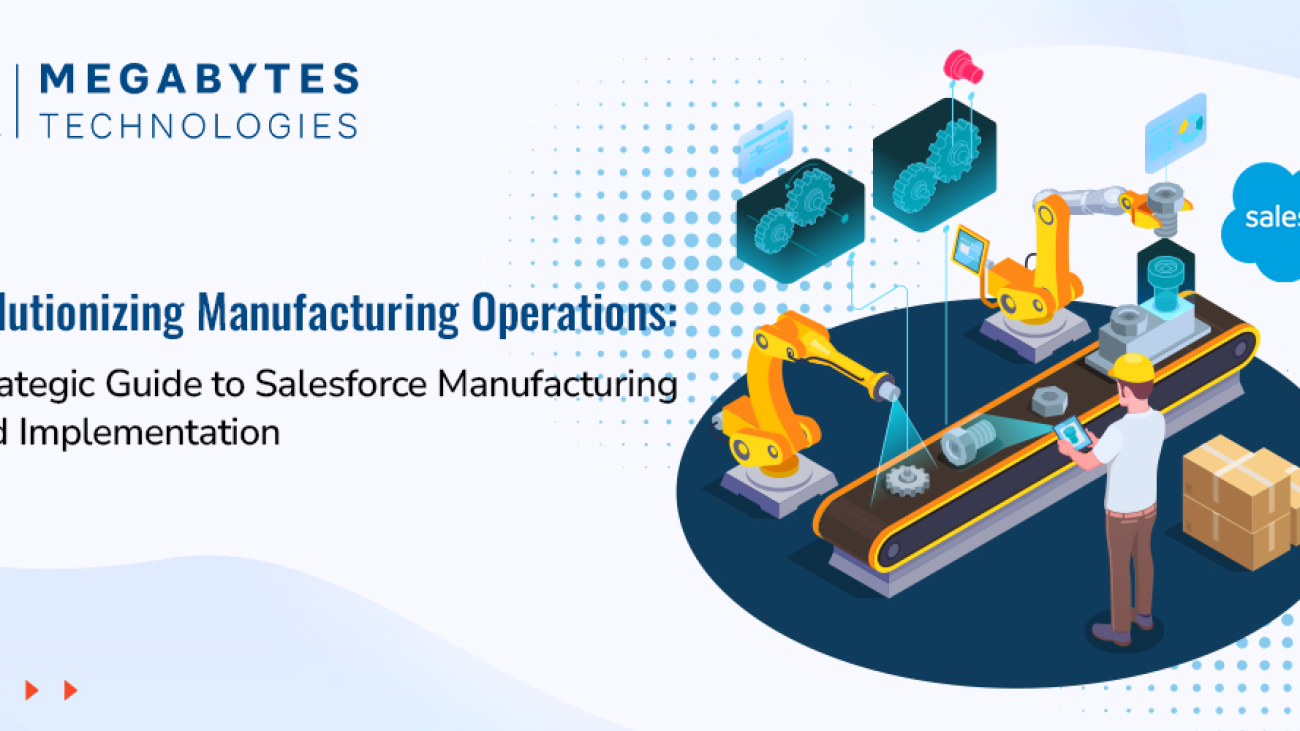
Revolutionizing Manufacturing Operations: A Strategic Guide to Salesforce Manufacturing Cloud Implementation

The manufacturing sector is at a pivotal moment in the era of digital transformation. Rapidly changing market dynamics, supply chain complexities, and heightened customer expectations have made it essential for manufacturers to adopt innovative digital solutions. Salesforce Manufacturing Cloud emerges as a powerful tool, purpose-built to meet these challenges and propel industrial operations into the future.

This guide provides an in-depth look at how Salesforce Cloud revolutionizes manufacturing operations, offering actionable insights into its implementation, features, and real-world benefits.

A Complete Guide to Salesforce Manufacturing Cloud Implementation

The manufacturing niche faces a distinct set of challenges that traditional CRM systems are not equipped to handle. Salesforce Manufacturing Cloud bridges these gaps by delivering industry-specific functionalities that align sales, production, and supply chain processes, enabling manufacturers to achieve greater efficiency, visibility, and customer satisfaction.

Unique Challenges Faced by the Manufacturing Sector

  • Disconnected Sales and Operations Planning: Lack of alignment leads to inefficiencies and missed opportunities.
  • Inaccurate Demand Forecasting: Results in overproduction or underproduction, increasing costs and customer dissatisfaction.
  • Limited Supply Chain Visibility: Hampers the ability to respond quickly to market fluctuations.
  • Complex Account Management: Managing diverse client relationships and agreements becomes time-consuming and error-prone.
  • Inefficient Partner Collaboration: Creates bottlenecks and delays in the production and delivery processes.

Salesforce Manufacturing Cloud directly addresses these challenges with tailored solutions that integrate seamlessly into manufacturing workflows.

Essential Components of Manufacturing Cloud Implementation

To maximize the impact of Salesforce Manufacturing Cloud, understanding its key components is crucial. Each feature is designed to enhance specific areas of manufacturing operations.

Account-Based Forecasting

Manufacturing Cloud’s account-based forecasting is a game-changer for sales and production alignment. It enables businesses to create accurate predictions by leveraging historical data, market trends, and real-time insights.

Key Benefits:

  • Aligns sales agreements with production capabilities.
  • Optimizes inventory levels and reduces waste.
  • Enhances data-driven decision-making processes.
  • Lowers operational costs by improving resource utilization.

Sales Agreement Management

This feature simplifies the management of complex sales agreements, ensuring clarity and efficiency.

Key Benefits:

  • Centralized platform for managing contracts.
  • Real-time tracking of committed vs. delivered quantities.
  • Automated processes for contract renewals.
  • Detailed variance analysis and actionable reporting.

Production Planning Integration

Seamlessly linking production plans with customer demand is vital for operational success. Manufacturing Cloud enables this integration with ease.

Key Benefits:

  • Synchronizes sales forecasts with production schedules.
  • Improves capacity utilization visibility in real time.
  • Allows dynamic adjustments to production plans.
  • Enhances resource allocation and workforce planning.

Implementation Roadmap: Your Path to Success

A well-structured implementation roadmap ensures the successful deployment and adoption of Salesforce Manufacturing Cloud. Below are the critical phases to guide your journey.

Phase 1: Assessment and Planning

  • Conduct a comprehensive analysis of current business processes.
  • Define specific manufacturing goals and requirements.
  • Identify integration points with existing ERP and legacy systems.
  • Establish KPIs and success metrics to measure ROI.

Phase 2: Technical Setup and Configuration

  • Configure account-based forecasting to meet unique business needs.
  • Set up sales agreement management for streamlined workflows.
  • Integrate production planning with real-time demand insights.
  • Develop data migration protocols to ensure data accuracy.

Phase 3: Integration and Testing

  • Integrate the Manufacturing Cloud with ERP, MES, and other legacy systems.
  • Perform rigorous user acceptance testing (UAT) to ensure functionality.
  • Validate data accuracy and system workflows.
  • Test the system’s performance under various load conditions.

Phase 4: Training and Deployment

  • Conduct targeted training sessions for employees and stakeholders.
  • Develop easy-to-use documentation and support materials.
  • Plan a phased rollout strategy to minimize disruptions.
  • Establish an ongoing support framework to address future needs.

Real-World Benefits and ROI

Manufacturers that have implemented Salesforce Manufacturing Cloud report measurable improvements across key metrics, underscoring the platform’s transformative potential.

Key Benefits:

  • 25% Increase in Forecast Accuracy: Enhanced demand planning and inventory optimization.
  • 30% Reduction in Planning Cycle Time: Faster decision-making and improved agility.
  • 20% Improvement in Customer Satisfaction: Better account management and personalized experiences.
  • 15% Decrease in Operational Costs: Streamlined processes and reduced waste.
  • 40% Better Visibility Across Operations: Real-time insights into the supply chain and production schedules.

Real-World Example: Success Story

A leading automotive parts manufacturer implemented Salesforce Manufacturing Cloud to bridge gaps between their sales and production teams. Within six months, they achieved:

  • 35% improvement in on-time deliveries.
  • 15% reduction in inventory carrying costs.
  • Enhanced collaboration between their global teams.

This demonstrates how Manufacturing Cloud directly addresses industry pain points, enabling businesses to thrive in competitive markets.

Best Practices for Optimal Implementation

Data Management

Ensuring high-quality data is the backbone of a successful Manufacturing Cloud implementation.

  • Regularly audit and clean data for consistency.
  • Establish strong data governance policies.
  • Automate data validation to minimize errors.
  • Use robust data analytics tools for actionable insights.

Change Management

Securing user adoption is critical for long-term success.

  • Secure executive sponsorship to drive the initiative.
  • Develop a communication plan to address employee concerns.
  • Conduct regular training sessions tailored to user needs.
  • Collect and act on user feedback to refine processes.

System Integration

Smooth integration with existing systems ensures seamless operations.

  • Prioritize critical integration points, such as ERP and supply chain systems.
  • Use robust APIs for real-time data synchronization.
  • Monitor system performance to identify and resolve issues proactively.
  • Regularly update systems to leverage new features and capabilities.

Future-Proofing Your Manufacturing Operations

As the manufacturing industry continues to evolve, Salesforce Manufacturing Cloud offers the flexibility to adapt and innovate.

  • Industry 4.0: Integration with IoT for smarter manufacturing.
  • AI-Driven Predictive Analytics: Enhanced decision-making capabilities.
  • Sustainable Practices: Support for eco-friendly production initiatives.
  • Enhanced Automation: Greater efficiency through advanced automation tools.

Manufacturers can leverage these trends to stay ahead of the curve and maintain a competitive edge in the market.

Take the Next Step in Your Digital Transformation Journey

Ready to elevate your manufacturing operations with Salesforce Manufacturing Cloud?

Partner with Megabytes Technologies for a seamless and impactful implementation. Our team of certified experts specializes in:

  • Assessing your current operations and pain points.
  • Crafting customized Salesforce strategies tailored to your unique needs.
  • Ensuring smooth deployment with minimal disruption.
  • Driving user adoption and maximizing ROI.

Choosing the Best Salesforce Edition

Choosing the Best Salesforce Edition: A Comprehensive CRM Comparison

As businesses continue to grow and scale, finding the right CRM system becomes crucial to streamline operations, improve customer relationships, and boost overall efficiency. Salesforce, one of the leading Customer Relationship Management (CRM) platforms, offers a range of editions designed to cater to businesses of all sizes and industries

But with so many choices, how do you determine which Salesforce edition is the best fit for your specific needs?

In this guide, we’ll walk you through the various Salesforce editions, explaining various Salesforce features and benefits of each, so you can make an informed decision. Whether you’re a small business or an enterprise, choosing the right Salesforce plan will directly impact your business growth. Let’s dive into the options!

Choosing the Best Salesforce Edition

1. Understanding Salesforce Editions – An Overview

Salesforce offers different editions tailored to meet the needs of various organizations. The main editions available are:

  • Salesforce Essentials
  • Salesforce Professional
  • Salesforce Enterprise
  • Salesforce Developer

Each Salesforce edition comes with its own set of features, designed to accommodate a range of business requirements. But before we jump into the specifics of each, let’s first take a closer look at the core Salesforce features that are common across all editions.

2. Core Salesforce Features for Every Edition

Salesforce is designed to help businesses manage customer relationships and drive growth. Across all editions, you’ll find key features such as:

  • Lead and Opportunity Management: Track your sales pipeline and manage leads and opportunities more efficiently.
  • Customizable Dashboards and Reports: Gain insights with personalized dashboards and detailed reporting tools to make data-driven decisions.
  • Automation Tools: Automate repetitive tasks and streamline your sales processes for improved productivity.
  • Collaboration Tools: Enhance communication across teams with Chatter, Salesforce’s social network for businesses.

These features provide businesses with essential tools for success, but it’s the additional features in each edition that differentiate them and help cater to your business needs.

3. Salesforce Essentials – Perfect for Small Businesses

The Salesforce Essentials edition is designed with small businesses in mind. It provides core CRM functionalities that help businesses get up and running quickly without the complexity or price tag of higher-end editions.

Key Features:

  • Lead and contact management
  • Email integration
  • Mobile accessibility
  • Simple reporting and dashboards

When to Choose Salesforce Essentials: If you’re a small business looking for an easy-to-use, cost-effective CRM solution to get started, Salesforce Essentials is a great choice. It’s perfect for teams of up to 10 users who need a simple yet powerful CRM to manage sales and customer relationships.

4. Salesforce Professional – A Step Up for Growing Businesses

As your business expands, you might require more advanced CRM features and customization options. Salesforce Professional offers all the essentials of the Essentials edition, with additional features and flexibility.

Key Features:

  • Customizable reports and dashboards
  • Sales forecasting tools
  • Campaign management
  • Advanced automation

When to Choose Salesforce Professional: This edition is ideal for growing businesses that need more flexibility and scalability. It’s well-suited for teams that need more customization, reporting, and advanced automation capabilities to support sales and marketing efforts.

5. Salesforce Enterprise – For Large, Complex Organizations

The Salesforce Enterprise edition is designed for large businesses with complex needs and teams. It offers a high level of customization, extensive automation capabilities, and deep integrations with other enterprise systems.

Key Features:

  • Advanced customization with Apex and Visualforce
  • Enhanced automation with Process Builder
  • Extensive reporting and analytics
  • Integration with third-party apps

When to Choose Salesforce Enterprise: This edition is perfect for large organizations that require robust CRM tools and support for complex processes. It provides the flexibility to tailor Salesforce to your exact needs and integrates seamlessly with your existing tools and systems.

6. Salesforce Developer – Custom Development and Testing

For businesses that require custom development and testing environments, Salesforce Developer edition provides the tools needed to build custom apps, test new features, and deploy them.

Key Features:

  • Full access to Salesforce’s developer tools
  • Unlimited development and sandbox environments
  • API access for integrations
  • Custom app development

When to Choose Salesforce Developer: This edition is perfect for businesses that need to create custom solutions, integrate with other systems, or develop unique applications tailored to their specific needs.

7. How to Choose the Right Salesforce Edition for Your Business

Now that you’re familiar with the various Salesforce editions, how do you decide which one is right for you? Here are some key factors to consider when making your decision:

  • Business Size: Larger organizations with more complex needs will likely benefit from Salesforce Enterprise or Developer editions, while smaller businesses can thrive with Salesforce Essentials or Professional.
  • Customization Needs: If your business requires heavy customization and integration, Salesforce Enterprise or Developer editions will offer the flexibility you need.
  • Budget: While the higher-end editions come with more features, they also come with a higher price tag. Consider your budget and ensure the edition you choose aligns with your financial capacity.
  • Growth Potential: Think about your business’s growth trajectory. If you plan to scale quickly, it may be worth investing in a more robust edition to avoid having to upgrade as your business grows.

Conclusion:

Choosing the right Salesforce edition can be a game-changer for your business. Whether you’re a small business just starting with CRM or a large enterprise looking to streamline operations, there’s a Salesforce edition designed to meet your needs. At Megabytes Technologies, we specialize in Salesforce consulting services and can help you select, implement, and customize the perfect Salesforce plan for your business.

Contact Megabytes Technologies today to learn more about how Salesforce can drive your business growth!

Role of Salesforce Consultants in Digital Transformation

The Role of Salesforce Consultants in Driving Digital Transformation for Businesses

In today’s fast-paced business landscape, companies must continuously evolve to meet customer expectations, optimize processes, and stay ahead of the competition. As businesses increasingly embrace digital-first strategies, the need for effective Customer Relationship Management (CRM) systems has never been greater. Salesforce, a leading CRM platform, offers powerful solutions that can transform a business’s approach to customer relationships, data management, and workflow automation. 

However, successfully implementing and optimizing Salesforce requires expert guidance, which is where Salesforce consultants come in. These professionals play a pivotal role in helping businesses adapt to a digital-first environment by leveraging Salesforce’s capabilities to streamline operations, drive growth, and enhance customer experiences.

The Role of Salesforce Consultants in Digital Transformation

1. Understanding Salesforce Consultants and Their Role

Salesforce consultants are professionals with specialized expertise in Salesforce’s suite of tools, solutions, and best practices. Their primary role is to guide businesses through the process of Salesforce implementation, customization, and optimization. 

Whether a company is adopting Salesforce for the first time or looking to improve their existing Salesforce setup, consultants offer invaluable support in ensuring the platform aligns with specific business goals. They help businesses navigate the complexities of CRM integration services, ensuring that the system works seamlessly with existing processes and software.

2. How Salesforce Consultants Enable Digital Transformation

Digital transformation involves adopting technology to radically improve business processes, customer interactions, and overall performance. Salesforce consultants facilitate this transformation by aligning Salesforce’s features with a company’s unique needs. 

From automating routine tasks to providing real-time customer insights, Salesforce empowers businesses to make data-driven decisions, enhance customer engagement, and increase efficiency.

A key aspect of the role of Salesforce consultants is helping businesses integrate Salesforce with other enterprise software. With their expertise in CRM integration services, consultants ensure that Salesforce is properly linked to marketing, sales, and service platforms, creating a unified ecosystem for data and process management.

3. The Benefits of Working with Salesforce Consultants

Salesforce consultants provide several benefits to businesses undergoing digital transformation:

  1. Tailored Solutions: Salesforce consultants offer customized Salesforce implementations that fit a company’s specific needs, ensuring that businesses get the most out of the platform.
  2. Streamlined Processes: Consultants help businesses automate workflows, reduce manual intervention, and eliminate inefficiencies, allowing for a smoother and more effective operation.
  3. Enhanced Customer Experience: With advanced analytics and reporting capabilities, Salesforce consultants enable businesses to better understand customer behavior, preferences, and needs, leading to improved customer service and engagement.
  4. Increased ROI: By optimizing Salesforce’s capabilities, consultants help businesses maximize their return on investment by using the platform to its full potential.
  5. Ongoing Support and Maintenance: Salesforce consultants don’t just implement Salesforce; they also provide continuous support and maintenance to ensure the system continues to evolve with the business and remains aligned with changing goals and technologies.

4. The Importance of Salesforce Integration Services

Salesforce integration is a critical aspect of digital transformation. For businesses with a complex tech stack, integrating Salesforce with other systems such as ERP software, accounting platforms, and marketing tools is essential. 

Salesforce consultants are experts in managing these integrations, ensuring that data flows seamlessly across platforms and that the company can operate efficiently without disruptions.

Successful Salesforce integration can lead to enhanced data accuracy, better communication across departments, and more actionable insights for decision-making. Additionally, a well-integrated Salesforce system ensures that all customer data is accessible in one place, which improves both the sales team’s productivity and customer satisfaction.

5. How Salesforce Features Drive Business Growth

Salesforce is packed with features that can accelerate business growth. Some of the most notable features that Salesforce consultants leverage include:

  • Salesforce Automation: Automates sales processes, reducing manual tasks and allowing the sales team to focus on high-value activities.
  • Analytics and Reporting: Provides actionable insights into customer behavior and business performance, which is crucial for data-driven decision-making.
  • Customer 360: Offers a unified view of every customer interaction, helping businesses personalize their communication and enhance customer experiences.
  • AI Integration (Salesforce Einstein): Leverages artificial intelligence to predict trends, recommend actions, and deliver personalized experiences to customers.

Salesforce consultants guide businesses in utilizing these features to improve sales, marketing, and customer service efforts, driving overall business growth and efficiency.

6. Best Practices for Implementing Salesforce

While Salesforce offers powerful tools, the success of implementation depends on following CRM best practices. Salesforce consultants help businesses establish these best practices from the start to ensure smooth adoption and long-term success. Some best practices include:

  • Clear Objective Setting: Establishing clear goals and expectations from Salesforce implementation helps consultants design a solution that delivers real value.
  • Data Migration: Ensuring that data is transferred accurately from legacy systems to Salesforce is crucial for maintaining data integrity.
  • User Training: Proper training ensures that employees can effectively use Salesforce, maximizing its benefits for the business.
  • Continuous Improvement: Salesforce is a flexible platform that can evolve over time. Consultants help businesses continuously improve their Salesforce setup based on changing needs and goals.

7. Why You Need a Salesforce Consultant for Your Business

While it’s possible for businesses to attempt Salesforce implementation on their own, working with a Salesforce consultant ensures that the process is done correctly the first time. Consultants bring years of experience, best practices, and technical expertise that allow businesses to avoid common pitfalls and implement Salesforce efficiently. They also help ensure that Salesforce is aligned with business goals and scalable for future growth.

By collaborating with a Salesforce consultant, businesses can not only achieve a successful Salesforce implementation but also unlock the full potential of the platform, leading to better customer relationships, streamlined operations, and enhanced business performance.

Conclusion

In conclusion, Salesforce consultants play a crucial role in helping businesses undergo digital transformation by leveraging Salesforce’s robust CRM capabilities. From implementation and integration to ongoing support and optimization, consultants ensure that businesses make the most of Salesforce to drive growth, efficiency, and customer satisfaction. 

If your business is looking to harness the power of Salesforce for digital transformation, contact Megabytes Technologies for expert Salesforce consulting services and a seamless Salesforce experience.

Do's & Don'ts of Salesforce Implementation

Do’s and Don’ts of Salesforce Implementation for Growing Businesses

As a growing business, implementing Salesforce can be a game-changer. It empowers you to streamline operations, enhance customer engagement, and drive growth. However, a successful salesforce implementation requires careful planning and execution. Mistakes can lead to inefficiencies, wasted resources, and missed opportunities.

To help you avoid these pitfalls, we’ve put together a checklist-style guide covering the essential do’s and don’ts of Salesforce implementation for businesses like yours.

Introduction to Salesforce Implementation

Salesforce is more than just a CRM—it’s a comprehensive platform that can be customized to suit the unique needs of any business. From managing customer relationships to automating workflows, its features are designed to drive efficiency and profitability. Yet, the complexity of Salesforce requires a strategic approach to ensure its benefits are fully realized.

Here’s a step-by-step guide on what to do—and what to avoid—when implementing Salesforce in your business.

Do’s of Salesforce Implementation

1. Define Clear Goals and Objectives

Why It’s Important: Without clear goals, your Salesforce implementation can lack focus and direction.

  • Begin by identifying specific challenges Salesforce should solve, such as inefficiencies in lead management or customer support.
  • Define measurable objectives like increasing lead-to-customer conversion rates or reducing response times by a certain percentage.
  • Align these goals with your overall business strategy to ensure Salesforce supports your growth vision effectively.

2. Invest in Expert Guidance

Why It’s Important: Expert consulting ensures a streamlined, cost-effective implementation.

  • Partner with certified Salesforce consultants who understand the nuances of your industry.
  • These experts can guide you through best practices, help you avoid common pitfalls, and create tailored solutions for your business challenges.
  • A good consultant not only provides technical expertise but also acts as a strategic advisor, ensuring long-term success.

Learn more about Salesforce consulting for businesses.

3. Customize Thoughtfully

Why It’s Important: Over-customization can make your CRM unwieldy and difficult to use.

  • Leverage Salesforce’s industry-specific solutions to minimize unnecessary customizations. For example, Salesforce for Healthcare includes pre-built templates and processes tailored to medical practices.
  • Customize only those features that directly impact your operations, ensuring a balance between functionality and simplicity.
  • Regularly review customizations to ensure they remain relevant and effective as your business evolves.

4. Ensure Data Quality

Why It’s Important: Clean and accurate data is the backbone of any successful CRM system.

  • Conduct a thorough audit of your existing data to remove duplicates, outdated information, or inaccuracies.
  • Use standardized formats and validation rules to maintain consistency.
  • Employ tools like Salesforce Data Loader or third-party integrations to simplify the migration process and minimize errors.

5. Train Your Team

Why It’s Important: A well-trained team is essential for high user adoption and effective CRM utilization.

  • Develop a comprehensive training program that includes hands-on sessions, tutorials, and access to Salesforce Trailhead.
  • Identify internal champions who can provide peer support and promote user engagement.
  • Regularly update training to cover new features and evolving best practices.

6. Start Small, Scale Gradually

Why It’s Important: Rolling out Salesforce in phases reduces risks and allows for iterative improvements.

  • Launch a pilot project in a single department or for a specific use case, such as sales pipeline management.
  • Use feedback from this initial phase to refine workflows, configurations, and training materials.
  • Gradually expand the rollout to other departments, ensuring each team is well-prepared for the transition.

Don’ts of Salesforce Implementation

1. Don’t Skip the Planning Phase

Why It’s a Mistake: Diving into implementation without a plan can lead to confusion and inefficiency.

  • Develop a comprehensive roadmap outlining timelines, responsibilities, and milestones.
  • Involve key stakeholders to align priorities and objectives.

2. Don’t Underestimate Data Migration Challenges

Why It’s a Mistake: Data migration errors can disrupt operations and lead to loss of critical information.

  • Test migration processes extensively to ensure accuracy and reliability.
  • Use Salesforce’s built-in tools, like Data Loader, to facilitate smoother transitions and reduce risks.

3. Don’t Overlook User Feedback

Why It’s a Mistake: Ignoring user input can result in a system that doesn’t meet employee needs or business goals.

  • Gather feedback during testing phases to understand usability issues.
  • Make necessary adjustments to improve functionality and ensure high user satisfaction.

4. Don’t Neglect Post-Implementation Support

Why It’s a Mistake: The journey doesn’t end with deployment.

  • Provide ongoing support for troubleshooting and updates to keep the system running smoothly.
  • Monitor user adoption and CRM usage metrics to identify areas for improvement and training opportunities.

5. Don’t Ignore Scalability

Why It’s a Mistake: Implementing a solution that doesn’t scale with your business can lead to future bottlenecks.

  • Choose features and packages that support long-term growth and adaptability.
  • Plan for future integrations and system expansions to ensure Salesforce continues to meet evolving business needs.

Key Salesforce Features for 2025

Salesforce continues to evolve, offering cutting-edge tools to meet modern business needs. Here are some features that can revolutionize your operations:

1. Einstein AI

Use Einstein AI’s predictive analytics to stay ahead by forecasting trends, identifying opportunities, and making data-driven decisions that drive business success.

2. Lightning Flow

Streamline and automate your workflows with Salesforce Lightning Flow, a tool designed to enhance accuracy, save precious time, and elevate team productivity. By automating repetitive tasks, you can focus on strategic goals and ensure seamless collaboration across departments, all while reducing costly errors.

3. AppExchange Solutions

Salesforce’s AppExchange offers a rich repository of pre-built applications, meticulously designed to cater to industry-specific needs. These apps not only enhance your CRM’s capabilities but also accelerate implementation by providing ready-to-use solutions. Whether you operate in retail, healthcare, finance, or manufacturing, AppExchange enables you to integrate seamlessly with tools tailored to your workflow.

By utilizing these specialized apps, businesses can streamline operations, reduce customization efforts, and achieve faster time-to-value. Explore this dynamic marketplace to find innovative solutions that align perfectly with your industry requirements.

Explore Salesforce features for 2025.

Conclusion

Implementing Salesforce effectively is a journey that requires strategic planning, expert guidance, and ongoing support. By following these do’s and don’ts, you can avoid common pitfalls and ensure a seamless transition to this powerful CRM platform.

Ready to get started?

Contact Megabytes for expert Salesforce consulting and implementation services tailored to your business needs. Let’s work together to unlock the full potential of Salesforce for your business.

Customizing Salesforce for Industry Specific Needs

Customizing Salesforce for Industry-Specific Needs: A Game Changer for Businesses

Introduction: Customizing Salesforce For Business

In today’s competitive business landscape, one-size-fits-all solutions rarely meet the diverse needs of industries like healthcare, real estate, retail, and manufacturing. That’s where Salesforce customization becomes a game-changer. Salesforce, a leader in CRM solutions, empowers businesses by offering tailored functionalities that address specific industry challenges, driving efficiency, and fostering unparalleled growth.

This blog explores how Salesforce features can revolutionize your business, with insights into its features, strategies, and benefits for industry-specific needs.

Why Customization Matters in a Competitive World

1. The Unique Needs of Each Industry

Every industry has distinct operational workflows, regulatory requirements, and customer engagement strategies. For example:

  • Healthcare: Patient data management and compliance with HIPAA regulations.
  • Real Estate: Lead tracking and personalized property recommendations.
  • Retail: Inventory management and omnichannel customer experiences.

Salesforce customization ensures your CRM system aligns perfectly with your business goals, making it an indispensable tool for growth.

2. Boosting Business Efficiency with Tailored Features

Customized Salesforce Implementation streamline processes, enhance collaboration, and automate repetitive tasks. Features like custom dashboards, automated workflows, and tailored reporting make decision-making faster and more data-driven.

Top Industry-Specific Customization Examples

1. Salesforce for Healthcare

  • Custom Patient Portals: Enable seamless appointment scheduling and communication.
  • Data Security Features: Meet stringent compliance standards with advanced encryption and auditing.
  • Integration with HealthTech: Sync with wearable devices for real-time health data updates.

2. Salesforce for Real Estate

  • Lead Prioritization Tools: Rank prospects based on interest and location.
  • Property Listing Integration: Sync properties with CRM for real-time updates.
  • Mobile App Customization: Empower agents with tools to access data on the go.

3. Salesforce for Retail

  • Omnichannel Experiences: Integrate online and in-store operations for a seamless customer journey.
  • Inventory Management: Track stock levels across multiple locations in real-time.
  • Personalized Marketing Campaigns: Use AI-driven analytics for targeted promotions.

Key Salesforce Features That Power Customization

  1. Einstein AI: Einstein AI driven insights can revolutionize your CRM better decision-making.
  2. AppExchange Ecosystem: Offers a marketplace for third-party integrations.
  3. Custom Objects and Fields: Tailor data storage and workflows to your industry.
  4. Advanced Reporting Tools: Build detailed reports to analyze industry-specific metrics.
  5. Automation and Workflows: Streamline repetitive tasks for greater efficiency.

How to Customize Salesforce for Your Industry

1. Identify Your Pain Points

Start by analyzing your industry-specific challenges. For instance, retail businesses may struggle with inventory management, while healthcare providers need secure data sharing.

2. Choose the Right Features

Tailor Salesforce features like workflows, dashboards, and mobile access based on your industry’s needs.

3. Collaborate with Salesforce Consulting Experts

Partnering with experienced Salesforce consultants ensures your customization aligns with your business goals and industry standards.

4. Test and Optimize

Continually test the customized features, gather feedback, and refine the CRM to keep pace with industry trends.

The Benefits of Industry-Specific Salesforce Customization

1. Enhanced Efficiency

Streamlined workflows save time and reduce manual effort.

2. Improved Customer Experience

Tailored solutions meet specific customer expectations, leading to higher satisfaction.

3. Scalable Solutions

As your business grows, Salesforce customization scales with it, accommodating new challenges and opportunities.

4. Increased ROI

Efficient operations and improved customer engagement translate to higher profitability.

Conclusion

Customizing Salesforce for industry-specific needs is no longer a luxury but a necessity in today’s competitive world. Whether you’re in healthcare, real estate, retail, or another industry, tailored Salesforce solutions can drive business growth, streamline operations, and enhance customer satisfaction.

Contact Megabytes Technologies today for expert Salesforce consulting services, implementation, and integration solutions to transform your business.

Salesforce Sales Cloud

8 Ways Salesforce Sales Cloud Helps Your Sales Team Close More Deals

Why Modern Sales Teams Need Salesforce Sales Cloud

Sales teams today face more challenges than ever. From managing complex sales cycles to meeting rising customer expectations, the demand for efficiency and precision has never been higher. Salesforce Sales Cloud emerges as the ultimate solution, offering tools that enhance productivity, streamline workflows, and close more deals faster.

In this blog, we’ll explore 8 powerful ways Salesforce Sales Cloud empowers sales teams to not only meet their goals but exceed them. If you’re looking for sales efficiency, CRM implementation, advanced CRM sales automation, and forecasting accuracy, this guide is for you.

1. Automating Sales Processes to Save Time

Eliminating Repetitive Tasks

Repetitive administrative tasks often bog down sales reps. Salesforce Sales Cloud offers:

  • Automated Email Follow-Ups: Send personalized emails without manual effort.
  • Lead Assignment Rules: Automatically distribute leads to the right team members based on set criteria.
  • Task Reminders: Never miss a deadline or follow-up.

Why It Matters: Automation lets your team focus on selling instead of time-consuming administrative duties, increasing productivity and deal closure rates.

2. Accurate Sales Forecasting for Better Decision-Making

Leveraging Predictive Analytics

With Salesforce Sales Cloud, sales teams gain access to real-time forecasting tools.

  • Pipeline Insights: Track deal stages and their likelihood of closing.
  • Trend Analysis: Use historical data to predict future sales outcomes.
  • Customizable Dashboards: Tailor forecasts to your unique business metrics.

Salesforce Features: With accurate forecasts, sales managers can set realistic goals and allocate resources effectively.

3. Building Deeper Customer Relationships with Customer 360

A Unified View of Every Customer

Salesforce Sales Cloud’s Customer 360 feature consolidates customer data from multiple touchpoints, enabling sales reps to:

  • Understand customer preferences and pain points.
  • Personalize communications based on past interactions.
  • Offer tailored solutions to drive loyalty.

Business Growth with Salesforce: By knowing your customers better, you can enhance trust and long-term partnerships.

4. Enhancing Team Collaboration with Slack Integration

Seamless Communication Across Teams

Salesforce’s integration with Slack ensures that sales teams collaborate effectively.

  • Deal Updates: Share updates and progress directly in Slack.
  • File Sharing: Access and share important documents instantly.
  • Instant Notifications: Get alerts about deal changes or customer interactions.

CRM Best Practices: Collaboration breaks down silos, improving the sales process and boosting team efficiency.

5. Driving Smarter Selling with AI-Powered Insights

Einstein AI at Your Service

Einstein AI provides actionable insights to sales reps, enabling smarter decision-making.

  • Opportunity Scoring: Identify high-potential leads and prioritize efforts.
  • Next Best Action: Get recommendations for the most effective follow-up actions.
  • Customer Behavior Analysis: Understand patterns to predict needs.

Pro Tip: AI-driven selling ensures that your sales team spends time on the most impactful opportunities.

6. Improving Lead Management for Faster Conversions

Streamlined Lead Tracking

Salesforce Sales Cloud offers robust tools for managing and converting leads.

  • Lead Capture Automation: Pull leads directly from websites, emails, and social media.
  • Lead Nurturing Campaigns: Engage prospects with personalized messaging.
  • Real-Time Updates: Monitor lead progress and adjust strategies accordingly.

Why It Matters: Improved lead management shortens sales cycles and increases close rates.

7. Personalizing Sales Campaigns with Marketing Cloud

Tailored Marketing for Better Engagement

Salesforce Sales Cloud integrates with Marketing Cloud to deliver targeted campaigns.

  • Segmentation: Divide your audience based on demographics, behavior, or stage in the sales funnel.
  • Automation: Send relevant content to the right person at the right time.
  • Performance Metrics: Track and optimize campaign results.

Salesforce Tools for Sales: Personalized marketing leads to higher engagement and faster deal closures.

8. Securing Data with Salesforce Shield

Protecting Your Business and Customer Data

In an age where data breaches are common, Salesforce Shield provides:

  • Encryption: Keep sensitive data secure.
  • Audit Trails: Monitor who accessed or modified data.
  • Real-Time Threat Detection: Identify and mitigate risks proactively.

Sales Growth with Salesforce: Building trust with secure data management ensures customer loyalty and compliance.

Conclusion: Unlock Your Sales Potential with Salesforce Sales Cloud

Salesforce Sales Cloud is more than a CRM tool—it’s a game-changer for sales teams striving to close more deals, faster and smarter. From automation to AI-driven insights, it equips your team with everything they need to thrive in a competitive marketplace.

Ready to take your sales efficiency to the next level? Contact Megabytes Technologies today for expert Salesforce consulting services, Salesforce implementation, and CRM consulting for sales.

Let’s make 2025 your best sales year yet!

Salesforce Einstein: How AI Driven Insights can Revolutionize your CRM

Salesforce Einstein – How AI Driven Insights can Revolutionize your CRM

How Salesforce Einstein’s Capabilities can Revolutionize your CRM?

In today’s competitive landscape, customer data is one of the most valuable resources for businesses. But how can you leverage this data for smarter decisions, deeper insights, and more personalized experiences?

Enter Salesforce Einstein, the AI powerhouse that transforms customer data within your CRM into actionable insights. With Salesforce Einstein, companies are moving beyond traditional CRM capabilities by harnessing AI-driven insights for predictive analytics, automation, and more personalized customer journeys.

This blog dives into how Salesforce Einstein’s capabilities can revolutionize your CRM experience and drive business growth. From automated data insights to enhanced productivity, we’ll explore what makes Salesforce Einstein indispensable to modern CRM systems.

And if you’re ready to take your Salesforce journey to the next level, Megabytes Technologies is here to help with expert Salesforce consulting services.

What is Salesforce Einstein?

Salesforce Einstein is an AI platform embedded within Salesforce that brings machine learning and predictive analytics into the CRM landscape. Designed to empower users with intelligent data insights, Salesforce Einstein offers features that enable businesses to make faster, smarter decisions, leading to increased customer satisfaction and operational efficiency.

The Power of AI-Driven Insights in CRM

With Salesforce Einstein, AI is embedded directly into your CRM, making it accessible to everyone from sales reps to marketing teams. 

Here’s how it drives unparalleled insights:

Predictive Lead Scoring

Salesforce Einstein can analyze historical data to predict which leads are more likely to convert, helping sales teams focus on high-potential prospects. This capability empowers your team to prioritize leads effectively and improve closing rates.

Sales Forecasting

Traditional forecasting methods can be time-consuming and error-prone. Einstein’s predictive analytics provide accurate sales forecasts, allowing teams to stay ahead of trends and meet targets more effectively.

Personalized Customer Journeys

AI-driven insights can tailor marketing campaigns to suit each customer’s preferences and buying behavior, creating personalized experiences that increase engagement and brand loyalty.

Automated Data Insights

Einstein automates the analysis of customer data, freeing up time for sales and service teams to focus on building customer relationships rather than deciphering data manually.

Improved Case Classification in Customer Service

By automating case classification, Salesforce Einstein helps service teams to categorize and route cases faster, leading to quicker resolutions and higher customer satisfaction.

Salesforce Einstein for Sales, Marketing, and Customer Service

Einstein in Sales

Einstein’s sales-focused tools include lead scoring, opportunity insights, and forecasting models that give sales reps data-backed guidance. It offers sales teams the intelligence they need to focus on leads that are more likely to close, anticipate customer needs, and achieve targets with increased accuracy.

Einstein in Marketing

Salesforce Einstein for Sales Marketing Cloud uses AI to enable marketers to create personalized content and predict customer responses, significantly enhancing engagement. The insights provided by Einstein allow marketers to design and optimize campaigns based on customer behavior, preferences, and trends.

Einstein in Customer Service

Einstein’s case classification and routing capabilities can save time and improve service efficiency by ensuring each customer case is handled by the right team member. It also aids in predicting potential issues before they escalate, helping customer service teams become more proactive.

Benefits of AI-Driven Insights for CRM

  1. Enhanced Decision-Making
    Salesforce Einstein gives real-time insights, empowering business leaders to make data-driven decisions with confidence.
  2. Higher Productivity
    By automating repetitive tasks, Einstein allows sales and service teams to focus on what truly matters building relationships and closing deals.
  3. Increased Customer Retention
    Personalized customer experiences result in stronger relationships, translating to higher retention and loyalty.
  4. Scalable Insights
    Einstein’s AI capabilities scale with your business, allowing it to grow alongside your CRM needs.

How Salesforce Einstein Revolutionizes Your CRM Strategy

Salesforce Einstein doesn’t just enhance your CRM—it transforms it. With predictive insights, companies can be proactive instead of reactive, addressing customer needs before they arise.

This creates a seamless customer experience that builds brand loyalty and trust. From streamlining operations to personalizing marketing efforts, Einstein provides an end-to-end AI solution for CRM needs.

How to Get Started with Salesforce Einstein?

Getting started with Salesforce Einstein requires expertise in Salesforce implementation and integration. By partnering with a Salesforce consulting services provider, businesses can ensure a seamless implementation that aligns with their goals and objectives. Here are some tips:

  1. Identify Key Objectives – Understand where AI-driven insights can make the biggest impact in your business.
  2. Engage Experts for ImplementationSalesforce implementation can be complex; working with Salesforce integration services can make this transition smooth and efficient.
  3. Train Teams on Einstein’s Features – Equip your team with the knowledge to use Einstein’s predictive analytics, lead scoring, and data insights to their fullest potential.

Conclusion: Transform Your Business with Salesforce Einstein

Salesforce Einstein brings AI-powered insights to the forefront of CRM, enhancing every aspect of sales, marketing, and service. It provides data-driven solutions to common challenges, from lead prioritization to customer engagement, making it an essential tool for any organization looking to excel in today’s data-driven market.

If you’re ready to elevate your CRM experience with Salesforce Einstein, reach out to Megabytes Technologies for expert Salesforce consulting services

With a trusted partner by your side, implementing Salesforce Einstein becomes a smooth and strategic journey, tailored to your business needs. Start your transformation today!